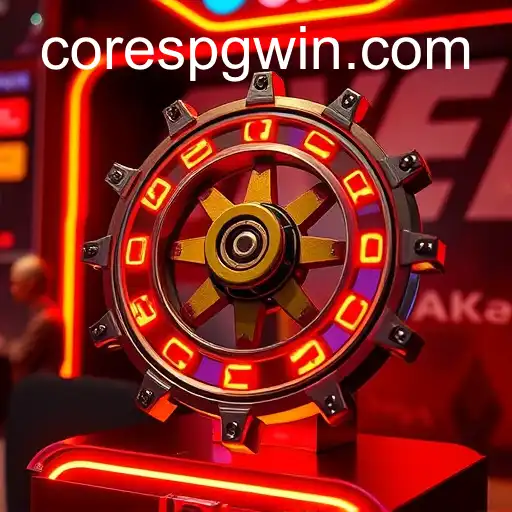
Understanding Rotary Games: A Deep Dive into the World of Corespg
The fascinating world of Rotary Games has intrigued gaming enthusiasts for years. Known for their dynamic interaction and unique gameplay mechanics, these games offer an immersive experience that continues to captivate players worldwide. One cannot discuss Rotary Games without mentioning ‘corespg’, a term that has become synonymous with cutting-edge game design and innovation.
What Are Rotary Games?
At the heart of Rotary Games is the unique use of rotational mechanics. These games typically involve a spinning or turning action that players must master to progress. This fundamental gameplay aspect challenges players' spatial awareness and strategic thinking. While the concept might seem simple, the depth of mastery required makes these games both accessible and challenging.
The Birth of Rotary Games
The origin of Rotary Games can be traced back to early mechanical toys and devices. These early iterations laid the groundwork for the first-generation digital Rotary Games, characterized by simple, rotational puzzles. As technology evolved, these games expanded in complexity, incorporating advanced graphics and rich storylines while retaining the core spinning mechanics.
One pivotal moment in the history of Rotary Games was the introduction of computer graphics. This technology allowed developers to create three-dimensional environments, transforming the genre from simple 2D puzzles to engaging 3D adventures. As a result, gamers were no longer just solving puzzles; they were exploring new worlds, facing challenges that required both skill and ingenuity.
Roles of Corespg in Rotary Games
Corespg, a keyword often associated with the most advanced Rotary Games, has become a cornerstone in designing these interactive experiences. Corespg refers to the central code or game engine elements that developers utilize to create seamless rotational mechanics. In essence, without an efficient corespg, the fluid motion and accuracy that players expect from these games would be unattainable.
In technical terms, corespg manages the physics and rendering processes that ensure smooth gameplay. From handling the intricate details of rotational inertia to processing user input with precision, corespg is crucial for developers aiming to deliver high-performance gaming experiences. As a result, a well-crafted corespg is often cited as a make-or-break factor in the commercial success of Rotary Games.
Impact on the Gaming Industry
Rotary Games have left an indelible mark on the gaming industry at large. They have repeatedly demonstrated that unique gameplay mechanics can be a significant draw for players, inspiring countless other genres to incorporate rotational elements. This blend of innovation has fostered a creative environment where boundaries are pushed and new gaming experiences are born.
Moreover, the popularity of Rotary Games has sparked interest among game developers to experiment with other unconventional mechanics. The success stories from this genre often serve as case studies in game design courses, emphasizing the importance of creativity and innovation. Notably, the development of cutting-edge corespgs has opened avenues for technological advancements in other areas, such as virtual reality and augmented reality gaming.
Community and Culture
A vibrant community has emerged around Rotary Games, with forums and social media groups dedicated to discussing strategies, sharing gameplay tips, and celebrating successful completions. The combination of community engagement and strategic gameplay contributes to a thriving culture where fans can explore new content, exchange ideas, and cultivate a shared passion for gaming.
These communities often play a crucial role in the development of new Rotary Games. Game developers frequently solicit feedback from players to fine-tune gameplay mechanics and enhance the overall experience. This collaborative approach to game development not only benefits the final product but also strengthens the bond between developers and the gaming community.
The Future of Rotary Games
Looking ahead, the future of Rotary Games appears bright. As technology continues to advance, so too do the possibilities for more complex and engaging Rotary Games. Virtual reality and augmented reality platforms, in particular, offer exciting opportunities for extending the boundaries of what Rotary Games can achieve. With the integration of advanced corespg systems, the potential for creating fully immersive and interactive worlds is within reach.
The ongoing development and exploration of corespg is expected to result in games that are not only more technologically advanced but also more intuitive and enjoyable to play. Beyond just improvements in graphics and gameplay, the future may hold entirely new genres and experiences that we cannot yet imagine.